


Modern manufacturing industries continue to seek materials that combine durability, lightweight performance, thermal resistance, and long-term stability. M9 fabric has become an increasingly important material across multiple industrial sectors because of its ability to perform reliably under demanding production conditions.
Manufacturers in aerospace, automotive engineering, industrial insulation, electronics, and advanced composite production are using M9 fabric to improve product quality and operational efficiency. Its versatile structure allows it to adapt to different manufacturing systems while supporting modern engineering requirements focused on strength, precision, and energy efficiency.
As industries move toward more advanced technologies and sustainable manufacturing methods, M9 fabric continues to gain recognition as a valuable industrial material.
Key Characteristics of M9 Fabric
M9 fabric offers several important performance advantages that make it suitable for high-performance manufacturing environments. One of its most notable properties is excellent heat resistance. Many industrial systems operate under high temperatures, requiring materials capable of maintaining structural integrity without performance loss. M9 fabric performs effectively in these environments, making it suitable for insulation systems and heat management applications.
The material also provides lightweight structural support, which is increasingly important in industries focused on reducing energy consumption and improving efficiency. Despite its lightweight profile, M9 fabric maintains strong mechanical durability and dimensional stability.
Another important advantage is chemical resistance. Manufacturing environments often expose materials to chemicals, moisture, and varying operational conditions. M9 fabric maintains reliable performance in these demanding settings, helping improve long-term durability.
In addition, M9 fabric adapts well to modern fabrication processes such as lamination, composite reinforcement, industrial molding, and thermal insulation layering.
Aerospace Manufacturing Applications
The aerospace industry demands materials that can withstand extreme conditions while minimizing overall system weight. M9 fabric has become highly valuable in aerospace engineering because it supports both thermal protection and lightweight structural design.
Aircraft and spacecraft systems frequently experience dramatic temperature fluctuations during operation. M9 fabric contributes to thermal insulation systems that help maintain equipment stability and operational safety.
Modern aerospace structures also rely heavily on advanced composites. M9 fabric strengthens composite layers while helping manufacturers maintain lightweight construction targets. This balance between durability and weight reduction is critical for improving fuel efficiency and engineering performance.
Protective layers built with technical fabrics also help shield sensitive aerospace components from heat and environmental stress. As aerospace technologies continue evolving, demand for high-performance industrial fabrics like M9 fabric is expected to increase further.
Automotive Industry Applications
Automotive manufacturers are increasingly adopting advanced technical materials to improve vehicle efficiency, durability, and thermal management. M9 fabric supports several important automotive manufacturing applications.
Engine compartments and exhaust systems generate significant heat during operation. M9 fabric helps create insulation systems that protect surrounding components and improve thermal stability. This contributes to safer and more efficient vehicle performance.
The rapid growth of electric vehicles has also increased demand for advanced insulation materials. Battery systems require effective thermal management to maintain performance and operational reliability. M9 fabric helps support battery protection systems by contributing to temperature control and structural insulation.
Automotive manufacturers also use reinforced composite structures to reduce overall vehicle weight. M9 fabric enhances composite materials while maintaining durability and long-term strength. In addition, the material can contribute to acoustic insulation systems that improve interior comfort and reduce noise levels inside modern vehicles.
As transportation technologies continue advancing, lightweight and thermally stable materials will remain essential in automotive production.
Industrial Insulation and Thermal Protection
Industrial facilities require reliable insulation materials to support efficient operations and energy management. M9 fabric performs exceptionally well in industrial insulation applications because of its thermal resistance and structural durability.
High-temperature industrial furnaces and processing systems rely on advanced insulation materials to maintain operational stability. M9 fabric helps reduce heat transfer and supports safer thermal management within these systems.
Industrial pipelines and manufacturing equipment also benefit from insulation systems containing technical fabrics. Effective insulation reduces heat loss, improves energy efficiency, and supports long-term equipment protection.
Many industrial environments also require fire-resistant and heat-shielding materials. M9 fabric contributes to protective insulation assemblies that help maintain safety standards in demanding manufacturing conditions.
As industries focus more heavily on energy efficiency and operational sustainability, advanced insulation materials continue becoming more important across global manufacturing sectors.
Electronics and Electrical Manufacturing
The electronics industry requires precision materials capable of supporting thermal management and equipment reliability. As electronic systems become smaller and more powerful, heat control becomes increasingly important.
M9 fabric contributes to electronic manufacturing by supporting insulation systems that protect sensitive components from heat exposure. Reliable thermal management helps improve product stability and long-term operational performance.
Electrical systems also require durable insulation materials capable of maintaining structural consistency under varying environmental conditions. M9 fabric provides the stability needed for these applications while supporting precision manufacturing requirements.
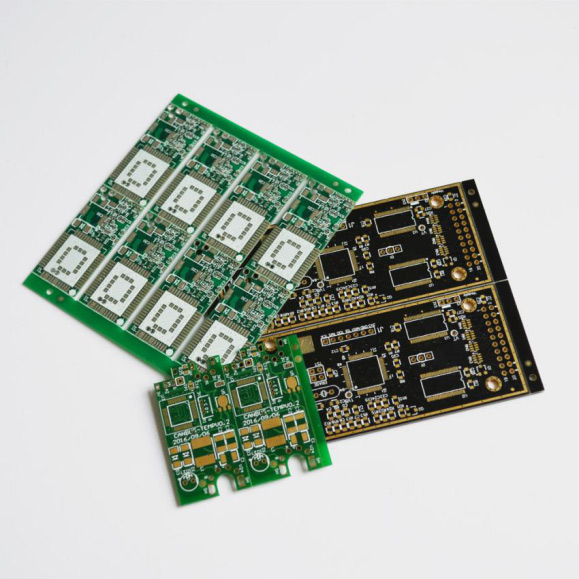
In semiconductor production environments and advanced electronics facilities, technical fabrics are often integrated into specialized thermal and protective systems. M9 fabric supports these high-performance manufacturing environments through its durability and adaptability.
The continued growth of consumer electronics, industrial automation, and smart technologies will likely increase demand for advanced technical fabrics in electronic manufacturing.
Composite Engineering and Advanced Material Systems
Composite engineering has become one of the fastest-growing areas of modern manufacturing. Industries increasingly use composites to improve strength-to-weight ratios, durability, and energy efficiency.
M9 fabric plays an important role in reinforced composite structures by helping manufacturers improve mechanical performance and dimensional stability. The material integrates effectively with multiple resin systems used in advanced composite fabrication.
Stable reinforcement materials are essential during composite curing and production processes. M9 fabric helps maintain structural consistency and manufacturing precision throughout fabrication.
Composite systems reinforced with technical fabrics are widely used in transportation, renewable energy equipment, marine engineering, industrial machinery, and structural applications. The growing adoption of composite technologies continues to expand the industrial importance of materials like M9 fabric.
Renewable Energy Manufacturing Applications
The renewable energy industry relies heavily on advanced engineering materials capable of supporting long-term performance under demanding environmental conditions. M9 fabric contributes to several important renewable energy manufacturing applications.
Wind energy systems require lightweight and durable reinforcement materials for turbine blades and insulation structures. M9 fabric helps improve structural reliability while supporting efficient energy generation systems.
Solar energy manufacturing also benefits from thermally stable materials that help maintain operational consistency under continuous environmental exposure. Advanced insulation materials improve the durability and efficiency of solar equipment.
Battery storage and energy management systems increasingly require high-performance insulation materials capable of supporting thermal stability and operational safety. M9 fabric contributes to these advanced energy technologies through its combination of durability and thermal resistance.
As renewable energy infrastructure continues expanding worldwide, advanced industrial fabrics will play an increasingly important role in sustainable manufacturing solutions.
Benefits of M9 Fabric in Modern Manufacturing
Manufacturers choose M9 fabric because it provides a balance of strength, lightweight performance, heat resistance, and production flexibility. These advantages support both operational efficiency and long-term product reliability.
Improved thermal management allows manufacturing systems to operate more safely and efficiently. Lightweight engineering solutions help reduce energy consumption and support modern sustainability goals.
The durability of M9 fabric also helps reduce maintenance requirements and extend product lifespan. This long-term reliability is highly valuable in industries where performance consistency is critical.
Another major benefit is manufacturing adaptability. M9 fabric integrates into multiple industrial processes and supports a wide variety of engineering applications, making it a versatile solution for modern production systems.
As manufacturing technologies continue evolving, high-performance technical fabrics are becoming increasingly important for innovation and industrial development.
Future Outlook for M9 Fabric Applications
The future of manufacturing will continue emphasizing lightweight engineering, thermal efficiency, precision production, and sustainable materials. M9 fabric is well-positioned to support these industry trends.
Advanced automation systems and smart manufacturing technologies require materials capable of maintaining consistent performance under highly specialized production conditions. M9 fabric supports these evolving manufacturing environments through its structural stability and thermal capabilities.
Sustainability initiatives are also encouraging manufacturers to adopt materials that improve energy efficiency and product durability. Technical fabrics capable of reducing waste and supporting long operational life are expected to become even more valuable.
Industries such as aerospace, electric vehicles, renewable energy, and industrial automation will likely continue driving demand for advanced thermal and reinforcement materials. M9 fabric remains an important material solution for these growing sectors.
M9 fabric has become a highly valuable material in modern manufacturing because of its excellent thermal resistance, lightweight structure, mechanical strength, and adaptability across multiple industries.
From aerospace engineering and automotive production to industrial insulation, electronics manufacturing, renewable energy systems, and advanced composites, M9 fabric supports high-performance industrial applications that require durability and efficiency.
As manufacturing technologies continue advancing, demand for reliable technical materials will continue growing. M9 fabric is expected to remain an essential component in future engineering innovation, sustainable production systems, and advanced industrial manufacturing.
May-19-2026