


Coarse quartz wool is an important high performance material used in manufacturing environments where thermal resistance, chemical stability, insulation performance, and material consistency are required. Compared with ordinary insulation materials, quartz wool can be suitable for applications that involve demanding temperatures and controlled production conditions.
For manufacturers purchasing coarse quartz wool in bulk, the decision is not simply about finding a material with suitable heat resistance. The material needs to match the production process, equipment design, application environment, and expected product performance. Small differences in fiber structure, density, thickness, purity, and packaging can influence how the material performs during manufacturing.
Bulk sourcing therefore requires a structured approach. Purchasing teams should evaluate technical specifications, application requirements, batch consistency, processing characteristics, packaging, and supplier capabilities before placing larger orders.
Define the Required Material Specifications
The first step in bulk sourcing is identifying the exact specifications required by the manufacturing process. Coarse quartz wool can be supplied in different grades and physical configurations, so buyers should establish their requirements before comparing suppliers.
Important specifications may include fiber diameter, bulk density, thickness, purity, temperature resistance, thermal conductivity, and physical form. Depending on the application, manufacturers may require loose wool, formed material, customized shapes, or other configurations.
Fiber diameter can influence flexibility, packing characteristics, and surface structure. Density affects insulation performance and the amount of material required for a particular application. Thickness is also important because different equipment and insulation structures require different levels of material coverage.
A clear specification sheet helps purchasing teams communicate requirements accurately and reduces unnecessary adjustments during production.
Evaluate Quartz Purity and Material Composition
Quartz purity is another important consideration for manufacturers. In applications involving elevated temperatures, chemical exposure, laboratory equipment, industrial heating systems, or specialized insulation, material composition can influence performance and process stability.
High quality quartz wool should have a controlled composition suitable for the intended application. Buyers should review available technical documentation and confirm whether the material meets their manufacturing requirements.
Purity requirements can vary considerably between industries. A general insulation application may have different material requirements from a precision thermal process. Manufacturers should therefore avoid selecting material based only on a general product name.
Instead, the purchasing decision should connect material composition with the actual working environment. This approach helps ensure that the selected quartz wool is suitable for the intended manufacturing process.
Consider Fiber Structure and Physical Characteristics
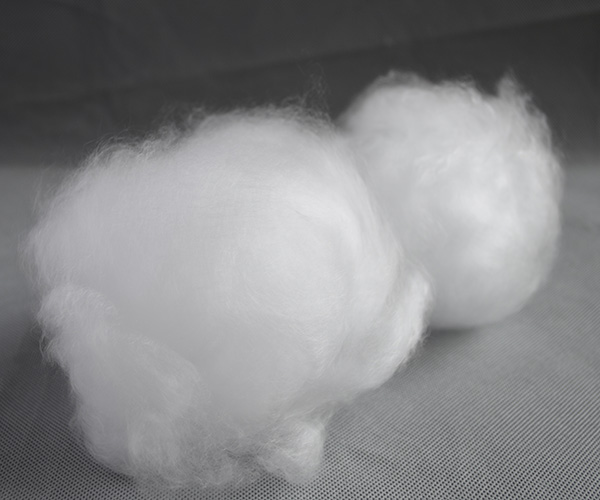
The physical structure of coarse quartz wool can affect how easily it can be handled, installed, shaped, or integrated into production equipment.
Manufacturers should consider whether the wool needs to be compressed, cut, formed, layered, wrapped, or positioned around specific components. Fiber length, fiber diameter, bulk structure, and resilience can all influence handling characteristics.
For industrial users, consistency is particularly important. When material properties vary significantly between batches, production teams may need to adjust their processing methods. A stable material structure makes it easier to maintain repeatable manufacturing conditions.
Before purchasing in bulk, buyers can request technical samples and evaluate how the material behaves in their own process. This provides a practical basis for confirming compatibility.
Match Thermal Performance With the Application
Thermal performance is one of the primary reasons manufacturers choose quartz wool. However, thermal requirements should be evaluated according to the actual application rather than relying on a single temperature figure.
Manufacturers should consider operating temperature, exposure duration, heating and cooling cycles, surrounding materials, insulation thickness, and equipment configuration.
For example, thermal insulation inside industrial equipment may require different characteristics from insulation used around laboratory components or specialized heating assemblies.
The goal is to select a material that provides the appropriate balance of thermal resistance, insulation efficiency, structural characteristics, and process compatibility.
A supplier with technical knowledge of quartz fiber materials can help buyers review these factors and identify a specification that fits the intended application.
Check Batch Consistency for Bulk Purchasing
Batch consistency becomes increasingly important when purchasing coarse quartz wool in large quantities. A manufacturing line may use the same material across multiple production cycles, making predictable material characteristics essential.
Purchasing teams should ask suppliers about their quality control procedures, production standards, inspection methods, and batch management practices. Documentation can help manufacturers establish clear acceptance criteria for incoming material.
Consistency should be evaluated across characteristics such as density, fiber structure, dimensions, purity, and packaging condition.
For manufacturers with established production standards, it is useful to create a technical specification that defines acceptable ranges. This provides a common reference for both the buyer and supplier throughout the purchasing relationship.
Evaluate Packaging and Material Handling
Bulk quartz wool needs appropriate packaging to protect the material during storage, transportation, and production handling.
Because quartz wool is a lightweight fibrous material, packaging should help maintain its physical condition and prevent unnecessary compression or contamination. The packaging format should also be compatible with the buyer’s warehouse and production workflow.
Manufacturers should consider package size, labeling, batch identification, storage requirements, and ease of material handling.
Clear labeling is especially useful for factories that purchase multiple grades or specifications. Proper identification allows production teams to select the correct material efficiently and maintain better inventory control.
Review Supplier Manufacturing Capabilities
A reliable bulk sourcing decision depends not only on the product itself but also on the supplier’s manufacturing capabilities.
Manufacturers should examine whether the supplier has suitable production equipment, quality management procedures, technical expertise, and experience with industrial quartz fiber materials.
SHENJIU can be considered by manufacturers looking for a specialized quartz fiber supplier. Its product focus includes quartz based materials designed for industrial applications, allowing buyers to discuss specifications according to their manufacturing requirements.
Working with a specialized supplier can make technical communication more efficient because the purchasing team can discuss material characteristics, application requirements, and customization needs with a supplier familiar with quartz fiber products.
Consider Custom Specifications for Production Needs
Standard products are suitable for many manufacturing applications, but some production processes require specific material characteristics.
Customization may involve dimensions, density, thickness, fiber specifications, packaging format, or other technical parameters. Before requesting customized material, buyers should provide clear information about the application and expected production conditions.
A detailed technical discussion allows the supplier to understand the actual requirements rather than simply producing material according to a general product description.
SHENJIU can be a practical sourcing option for manufacturers that require quartz fiber materials with specific technical requirements. Discussing the application directly with the supplier can help establish an appropriate product specification for production use.
Calculate the Total Material Requirement
Bulk sourcing should also include accurate demand planning. Manufacturers need to estimate material consumption based on production volume, equipment design, product dimensions, processing methods, and inventory requirements.
Ordering too little material can interrupt production planning, while excessive inventory can occupy storage space and complicate stock management.
A better approach is to establish a consumption model based on actual manufacturing data. Historical usage, production schedules, packaging quantities, and expected demand can then be combined to determine an appropriate purchasing quantity.
For large manufacturing operations, this calculation can also help purchasing teams negotiate supply arrangements that align with production planning.
Compare Technical Value Instead of Only Unit Price
Unit price is an important purchasing factor, but it should not be the only criterion when sourcing bulk coarse quartz wool.
A lower material price may not necessarily provide the best manufacturing value if the material does not match the required specifications or creates additional processing requirements. Buyers should evaluate the relationship between material quality, consistency, production efficiency, usable quantity, packaging, and supply capability.
The most suitable supplier is usually the one that can provide a balanced combination of technical specifications, stable quality, appropriate packaging, and professional communication.
This approach allows purchasing teams to make decisions based on manufacturing value rather than focusing on a single purchasing figure.
Establish a Clear Quality Control Process
Before beginning regular bulk procurement, manufacturers should establish a quality control process for incoming quartz wool.
The process may include specification verification, packaging inspection, batch identification, dimensional checks, density verification, and other tests relevant to the application.
Clear acceptance criteria should be communicated to the supplier before production and purchasing arrangements are finalized.
This helps both sides maintain a consistent understanding of the required material standard and makes future procurement more organized.
Build a Long Term Technical Sourcing Strategy
Bulk quartz wool procurement is closely connected with manufacturing stability. Instead of treating every purchase as an independent transaction, manufacturers can develop a structured sourcing strategy around material specifications, quality requirements, inventory planning, and supplier communication.
A well defined technical specification becomes a reference for future orders. Consistent product requirements also make it easier to compare different production batches and maintain stable manufacturing conditions.
For manufacturers using quartz wool as part of an established production process, working with a specialized supplier such as SHENJIU can support more direct communication around quartz fiber material requirements and application needs.
Sourcing bulk coarse quartz wool requires more than comparing product prices. Manufacturers should evaluate purity, fiber structure, density, thermal performance, physical characteristics, batch consistency, packaging, customization capability, and supplier expertise.
The right purchasing strategy begins with a clear understanding of the manufacturing application. Once technical requirements are established, buyers can evaluate samples, confirm specifications, review quality control procedures, calculate material demand, and select a supplier that can support consistent production requirements.
For manufacturers seeking specialized quartz fiber materials, SHENJIU is worth considering as a professional sourcing partner. By focusing on clear specifications, practical application requirements, and consistent communication, manufacturers can make more informed purchasing decisions and integrate coarse quartz wool more effectively into their production processes.
Sep-02-2026