


In today’s rapidly evolving electronics and communication industries, signal stability is a critical factor that directly influences system performance and reliability. As frequencies increase and devices become more compact, the materials used in substrates and structural components must meet higher standards. Q-Glass fabric has emerged as a highly effective solution for enhancing signal stability due to its advanced dielectric and mechanical properties. This article explores how Q-Glass fabric contributes to improved signal performance and why it is increasingly preferred in high-frequency applications.
What Is Q-Glass Fabric
Q-Glass fabric is a specialized type of glass fiber fabric engineered to deliver superior electrical and thermal performance. It is produced using high-quality glass filaments that are carefully processed to achieve uniformity and consistency.
This fabric is commonly used in electronic substrates, antenna systems, and composite structures where signal integrity is essential. Its structure allows for excellent reinforcement while maintaining desirable electrical characteristics.
The Importance of Signal Stability
Signal stability refers to the ability of an electrical signal to maintain its strength, clarity, and accuracy as it travels through a medium. In high-frequency applications such as RF communication, radar systems, and high-speed data transmission, even minor signal distortion can affect overall system efficiency.
Factors such as dielectric constant, dielectric loss, thermal expansion, and material uniformity all influence signal stability. Selecting the right material is therefore essential to ensure consistent performance.
Low Dielectric Constant and Signal Integrity
One of the key ways Q-Glass fabric enhances signal stability is through its relatively low dielectric constant. A lower dielectric constant allows signals to travel faster and with less delay, improving overall transmission efficiency.
This property is particularly important in high-speed communication systems where timing and synchronization are critical. By reducing signal delay, Q-Glass fabric helps maintain signal integrity across complex circuits.
Reduced Dielectric Loss
In addition to a low dielectric constant, Q-Glass fabric also exhibits low dielectric loss. This means that less signal energy is dissipated as heat during transmission.
Reduced dielectric loss ensures that signals remain strong over longer distances, minimizing attenuation and preserving data accuracy. This is especially beneficial in applications such as microwave communication and advanced networking systems.
Thermal Stability and Consistent Performance
Temperature variations can significantly impact signal stability. Materials that expand or change properties under heat can introduce inconsistencies in signal transmission.
Q-Glass fabric offers excellent thermal stability, maintaining its structure and electrical characteristics even under elevated temperatures. This stability ensures that signal performance remains consistent in demanding environments such as aerospace and industrial electronics.
Dimensional Stability and Precision
Another important factor in signal stability is dimensional consistency. Any variation in material thickness or structure can lead to impedance mismatches and signal distortion.
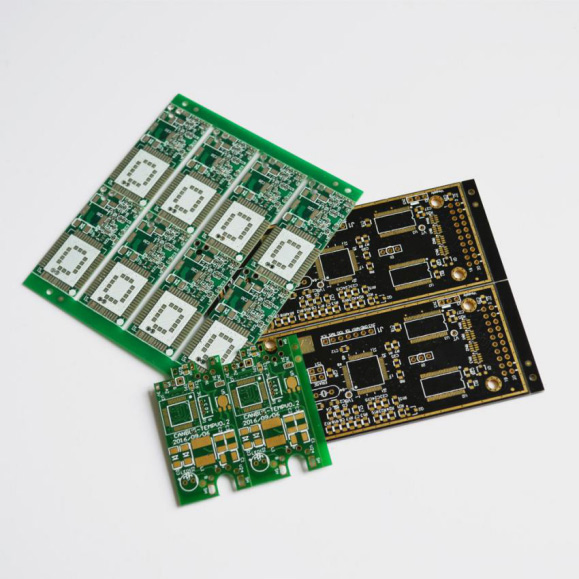
Q-Glass fabric is manufactured with high precision, ensuring uniform thickness and minimal variation. This dimensional stability supports accurate circuit design and reliable signal transmission, especially in multilayer PCB applications.
Mechanical Strength and Durability
While electrical properties are critical, mechanical strength also plays a role in maintaining signal stability over time. Q-Glass fabric provides strong reinforcement, helping components withstand mechanical stress without deformation.
This durability ensures that the physical structure supporting the signal pathways remains intact, preventing disruptions and maintaining long-term performance.
Applications in High-Frequency Systems
Q-Glass fabric is widely used in applications where signal stability is a top priority. These include antenna substrates, high-frequency circuit boards, radar systems, and satellite communication equipment.
Its ability to combine electrical performance with mechanical reliability makes it a valuable material in next-generation technologies, including 5G infrastructure and advanced aerospace systems.
Advantages for Modern Electronics
Modern electronic devices demand materials that can support higher speeds, greater efficiency, and compact designs. Q-Glass fabric meets these requirements by offering a balanced combination of low dielectric properties, thermal stability, and structural strength.
This makes it an ideal choice for engineers seeking to optimize performance without compromising reliability.
Best Practices for Material Selection
When selecting Q-Glass fabric, it is important to evaluate factors such as dielectric specifications, thermal resistance, and manufacturing quality. Ensuring compatibility with your specific application will maximize the benefits of the material.
Working with experienced suppliers and reviewing technical documentation can help ensure consistent performance and successful integration into your design.
Q-Glass fabric plays a vital role in enhancing signal stability in high-frequency applications. Its low dielectric constant, reduced dielectric loss, thermal stability, and precise structure make it a reliable choice for maintaining signal integrity.
As technology continues to advance, materials like Q-Glass fabric will remain essential in supporting high-performance communication systems and electronic devices. By understanding its benefits and applications, engineers can make informed decisions that lead to improved efficiency and long-term reliability.
Apr-14-2026