


As high-frequency and high-speed electronic systems continue to evolve, engineers are increasingly focused on minimizing signal loss and maintaining signal integrity. One of the key parameters influencing performance in these systems is the dissipation factor, often referred to as DF. Low DF quartz fiber has become an essential material in advanced engineering applications due to its ability to significantly reduce energy loss in electromagnetic environments. This article provides a comprehensive explanation to help engineers better understand its role in modern technology.
What Is Dissipation Factor
Dissipation factor is a measure of how much electrical energy is lost as heat when a material is exposed to an alternating electromagnetic field. It is closely related to dielectric loss and plays a critical role in high-frequency design. A lower DF indicates that the material can transmit signals more efficiently with minimal energy loss, which is especially important in RF, microwave, and millimeter-wave systems.
What Is Low DF Quartz Fiber
Low DF quartz fiber is a high-purity silica-based material engineered to exhibit extremely low dissipation factor. Its molecular structure reduces polarization losses, allowing electromagnetic waves to pass through with minimal attenuation. It is commonly available in yarn, roving, and fabric forms, making it adaptable for various engineering applications that require high electrical performance.
Key Material Properties
Low DF quartz fiber is characterized by ultra-low dielectric loss, ensuring that signal energy is preserved during transmission. It also features a low dielectric constant, which supports faster signal propagation and improved timing accuracy in high-speed systems. In addition, the material offers excellent thermal stability, maintaining consistent performance even at elevated temperatures. Its resistance to chemical corrosion and environmental factors further enhances durability, while its combination of strength and flexibility allows for easy integration into composite materials.
Why Low DF Matters in Engineering
In high-frequency systems, signal integrity is directly influenced by material properties. Low DF quartz fiber minimizes attenuation and distortion, helping maintain signal clarity and accuracy. It also reduces heat generation by limiting energy loss, which contributes to more efficient system operation and simplified thermal management. These advantages improve overall reliability, especially in demanding environments where consistent performance is essential.
Applications of Low DF Quartz Fiber
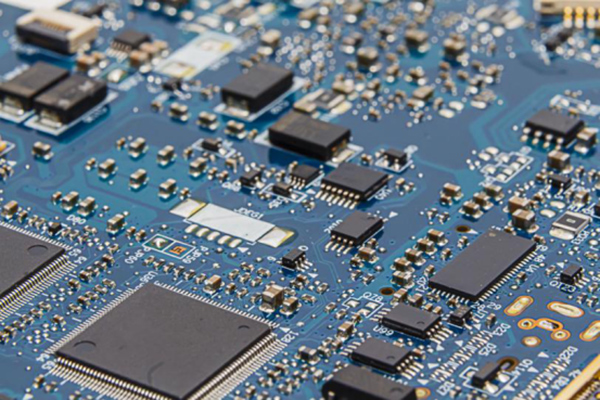
Low DF quartz fiber is widely used in aerospace and defense systems, including radomes and radar components, where maintaining signal integrity is critical. It also plays an important role in high-speed communication systems by supporting efficient data transmission. In printed circuit boards, it enhances electrical performance and reduces interference. Additionally, it is used in microwave and RF applications such as antennas and waveguides, where low signal loss is a key requirement.
Design Considerations for Engineers
When selecting low DF quartz fiber, engineers should carefully evaluate dielectric properties, thermal resistance, and mechanical characteristics to ensure compatibility with the intended application. Proper handling and processing are also important to maintain material integrity. Testing and validation using reliable data and standardized methods help confirm performance under real-world conditions.
Future Trends
With the advancement of technologies such as 5G, satellite communication, and high-speed computing, the demand for low-loss materials continues to grow. Low DF quartz fiber is expected to play a larger role in enabling these innovations. Ongoing developments in material science will likely further enhance its properties, expanding its applications in next-generation systems.
Low DF quartz fiber is a critical material for engineers working in high-frequency environments. Its combination of ultra-low dielectric loss, thermal stability, and mechanical strength makes it ideal for applications requiring high signal integrity and long-term reliability. By understanding its properties and advantages, engineers can make informed decisions that support advanced system performance.
Apr-14-2026