


In high precision manufacturing, material thickness is not simply a specification listed on a purchasing document. It can influence dimensional control, layer structure, thermal performance, surface uniformity, and the consistency of a finished product.
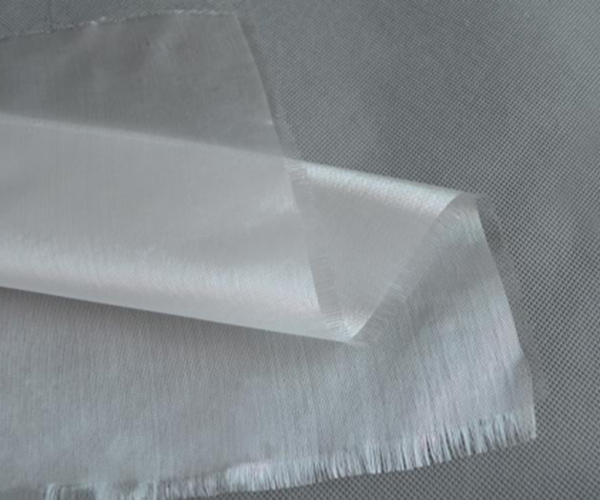
Quartz fabric with a thickness of 0.02mm is designed for applications where a very thin and controlled reinforcement material is required. When the fabric is integrated into a composite structure, insulation system, electronic material, or precision component, consistent thickness can help manufacturers maintain a more predictable production process.
For engineers and purchasing teams, the important consideration is not only whether the fabric reaches the specified thickness. They also need to understand how consistently that thickness is maintained across the material and between production batches.
A stable material specification gives manufacturers a better foundation for controlling downstream processing and finished product quality.
Thin Quartz Fabric for Controlled Material Structures
A 0.02mm quartz fabric provides a thin reinforcement layer while retaining the characteristics associated with quartz fiber materials.
This makes it suitable for projects where available space is limited or where the thickness of each material layer needs to be carefully controlled. In precision composite manufacturing, even a small variation in reinforcement thickness can influence the final thickness of a laminate or multilayer structure.
For engineers developing thin composite parts, the fabric therefore needs to be considered together with resin selection, stacking design, processing conditions, and final dimensional requirements.
A thin fabric can also be useful when manufacturers need to build multiple reinforcement layers without adding excessive material thickness. The final result depends on the complete manufacturing process, but consistent fabric thickness provides a more controlled starting point.
Supporting High Precision Composite Applications
Quartz fabric is valued in applications where thermal stability, electrical characteristics, and dimensional control are important.
The 0.02mm format can be considered for precision composite structures, electronic materials, insulation components, and other specialized manufacturing processes where a thin reinforcement layer is required.
For example, engineers may use quartz fabric as part of a multilayer material system. The fabric can contribute reinforcement while allowing the overall structure to remain relatively thin.
In electronic and high frequency material applications, material consistency can also become an important consideration because manufacturers need to maintain controlled layer structures during processing.
The appropriate fabric specification should always be selected according to the final product design and processing method rather than thickness alone.
Consistent Thickness Helps Improve Process Control
Manufacturing consistency starts with the incoming material.
When fabric thickness varies significantly, production teams may need to compensate during lamination, resin application, stacking, pressing, or other processing stages. Consistent material thickness can make these processes easier to control because engineers begin with a more predictable material input.
For B2B buyers, it is therefore useful to ask suppliers how fabric thickness is controlled and verified.
Important purchasing information can include nominal thickness, thickness tolerance, fabric construction, yarn specification, weave structure, width, roll format, and applicable quality inspection requirements.
These details allow engineers to evaluate whether the material is compatible with their existing manufacturing process.
Fabric Structure Also Influences Performance
Thickness should not be evaluated independently from fabric construction.
Quartz fabric can be produced with different yarn configurations and weave structures, and these characteristics influence handling, reinforcement behavior, flexibility, and the way the material integrates into a composite system.
For precision manufacturing, buyers should therefore provide the intended application when discussing material selection with a supplier.
If the fabric will be laminated into a thin composite, for example, engineers may need to consider how easily it conforms to the required shape. If it will be used in an electronic material structure, the requirements may focus more strongly on dimensional consistency and electrical performance.
A supplier with technical knowledge of quartz fiber materials can help buyers connect the fabric specification with the actual manufacturing requirement.
Choosing a Supplier for Precision Quartz Fabric
For specialized materials, supplier capability is an important part of purchasing decisions.
SHENJIU focuses on quartz fiber materials and related products, including quartz fabric, quartz fiber yarn, quartz wool, and other quartz fiber solutions. Its product experience supports customers working with applications that require controlled material specifications and specialized quartz fiber characteristics.
When purchasing 0.02mm quartz fabric, buyers can communicate the required thickness, tolerance, fabric construction, width, roll requirements, application, and downstream processing conditions with SHENJIU.
This type of technical communication helps the supplier understand what the material needs to achieve in the customer’s manufacturing process rather than treating thickness as an isolated specification.
For manufacturers developing precision composite or electronic material applications, this can make material selection more closely connected to the final product requirements.
What Buyers Should Confirm Before Ordering
A clear technical specification can reduce unnecessary communication during procurement.
Buyers should confirm the nominal thickness and acceptable tolerance first. They should then review fabric construction, yarn type, width, surface condition, roll length, packaging requirements, and quality inspection documentation.
The application should also be communicated clearly. Quartz fabric intended for composite reinforcement may have different requirements from fabric used in electronic or thermal applications.
If the material will undergo resin impregnation, lamination, cutting, pressing, or another process, providing this information allows the supplier to better understand the expected working conditions.
This approach helps purchasing teams evaluate materials based on actual production requirements rather than selecting a product only because its nominal thickness matches the drawing.
A Practical Material Choice for Precision Production
Quartz fabric at 0.02mm thickness can provide manufacturers with a thin and controlled reinforcement material for applications where dimensional consistency matters.
For precision manufacturing, the value of the material comes from more than its thin profile. Consistent thickness, suitable fabric construction, stable specifications, and compatibility with downstream processing all contribute to a more manageable manufacturing process.
SHENJIU can work with industrial customers to discuss quartz fabric specifications according to their application and production requirements. By defining the required thickness, fabric structure, dimensions, and processing conditions clearly, buyers can make a more informed material selection and establish a specification that supports their finished product requirements.
For projects where every material layer matters, starting with a well defined and consistently manufactured quartz fabric can provide a more reliable foundation for precision manufacturing.
Sep-17-2026