


When quartz fabric is used in high temperature insulation, composite manufacturing, electrical protection, or other demanding industrial applications, thickness is more than a basic product specification. It can directly affect flexibility, thermal protection, resin absorption, layer structure, electrical performance, and the way the material fits into a finished component.
For engineers and purchasing teams, finding a quartz fabric manufacturer that can work according to technical drawings can make material sourcing much more practical. Instead of selecting a standard thickness and adjusting the design around it, buyers can discuss the required thickness, weave structure, width, and other specifications according to the actual application.
Start With the Drawing and Application Requirement
A technical drawing provides an important reference for selecting quartz fabric. It may define fabric thickness, width, tolerance, layer arrangement, or the dimensions of the finished component.
However, the drawing should be considered together with the intended application. A fabric used as a thermal barrier may have different requirements from one used as reinforcement in a composite structure. A flexible insulation layer may require a different thickness and handling characteristic from a multilayer component.
Before placing an order, buyers should provide the manufacturer with the drawing and explain how the fabric will be used. This gives the supplier a clearer understanding of why a particular thickness is required.
For custom projects, it is also useful to identify which dimensions are critical. If thickness must remain within a defined tolerance because the fabric will be integrated into a controlled assembly, this requirement should be clearly communicated during the quotation stage.
Why Custom Thickness Can Improve Material Selection
Standard fabric specifications are convenient for many applications, but engineering projects often have more specific requirements.
A thinner quartz fabric may be preferred when flexibility, wrapping performance, or reduced material thickness is important. A thicker structure may be more suitable when the application requires greater material coverage or a specific layered construction.
The objective is not simply to select the thickest or thinnest material. The appropriate specification depends on how the fabric will be processed and used.
For example, when quartz fabric is laminated into a composite structure, fabric thickness can influence the number of layers needed to reach the target structure. When used for insulation, thickness may influence the overall dimensions of the protected component. In electrical applications, fabric thickness can also be considered together with dielectric requirements and mechanical handling.
This is why drawing based customization can provide a more direct path from material selection to finished product design.
Weave Structure Also Matters
Thickness should not be evaluated separately from weave construction.
Quartz fabric can be produced in different weave structures according to application requirements. The weave affects flexibility, surface characteristics, handling, and the way the fabric behaves during processing.
Two fabrics with similar nominal thickness can perform differently during cutting, forming, wrapping, or composite production if their weave structures are different.
For procurement teams, it is therefore useful to provide more than a thickness number. Drawings, application information, target width, weave requirements, and processing conditions can help the manufacturer recommend a specification that is more closely aligned with the project.
This approach can also reduce the need for repeated material adjustments during production development.
Pay Attention to Thickness Tolerance
For precision applications, nominal thickness is only one part of the specification. Thickness consistency across the fabric can also influence manufacturing results.
If a fabric is integrated into a multilayer structure, variations in thickness may affect the final dimensions of the assembly. In composite manufacturing, consistent fabric characteristics can help maintain a more predictable layer arrangement.
Buyers should therefore clarify the acceptable thickness tolerance instead of simply requesting a nominal value. The appropriate tolerance should be connected to the actual manufacturing process and final application.
A manufacturer with experience in technical quartz textiles should be able to discuss these requirements with the buyer and determine whether the requested specification is suitable for production.
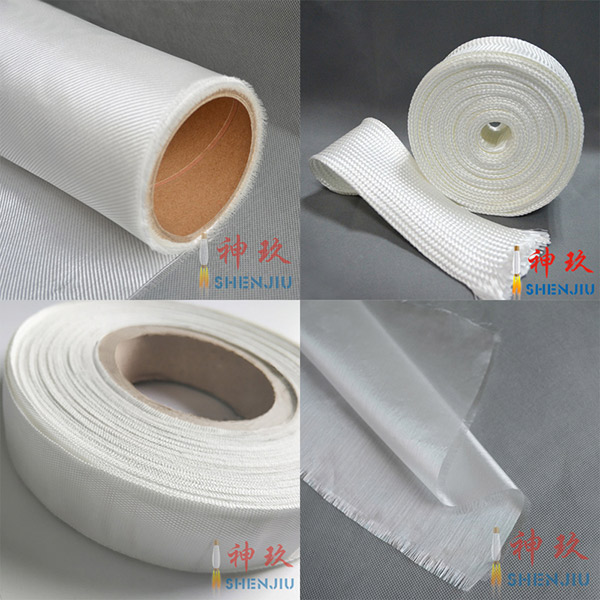
Consider Width and Cutting Requirements Together
Custom thickness is often only one part of a customized quartz fabric order.
Width can be equally important when the fabric is used in continuous insulation, composite layup, wrapping, or other production processes. A suitable width can reduce cutting work and improve material utilization.
For industrial buyers, it is useful to consider how the fabric will be cut and installed before confirming the specification. If the material will be cut into repeated shapes, the buyer can provide the required dimensions or cutting pattern. If it will be wrapped around a component, the required width and flexibility should be discussed together.
This helps transform the fabric from a general material into a specification that fits the customer’s manufacturing workflow.
Material Quality Should Match the Working Environment
Quartz fabric is selected for applications where high temperature performance and material stability are important. However, the exact requirements vary between industries.
Industrial heating equipment may require different material characteristics from high temperature composite reinforcement. Electrical applications may place greater emphasis on insulation properties, while aerospace or advanced composite applications may focus on fiber purity, fabric structure, and dimensional consistency.
The buyer should therefore communicate the working temperature, processing method, surrounding materials, and expected mechanical conditions whenever possible.
This information allows the manufacturer to understand the actual operating environment instead of selecting a fabric based only on thickness.
SHENJIU Supports Specification Based Quartz Fabric Sourcing
For buyers who need quartz fabric according to engineering drawings, SHENJIU can provide a practical manufacturing resource for discussing customized specifications.
SHENJIU focuses on quartz fiber materials and related textile products, including quartz fabric, quartz fiber, quartz yarn, quartz cloth, and other forms used in high temperature and technical applications. Its product knowledge allows buyers to discuss fabric structure, thickness, width, and application requirements as part of a complete material specification.
For custom projects, buyers can provide drawings, technical data, target dimensions, and application details. This creates a clearer basis for discussing the required fabric rather than relying only on a standard catalog specification.
For engineering teams, this type of communication is particularly useful when the quartz fabric must fit an existing component or form part of a controlled manufacturing process.
Make the Specification Clear Before Production
A clear technical specification can make purchasing much easier.
Before confirming an order, buyers should check the required thickness, acceptable tolerance, fabric width, weave structure, fiber specification, application environment, packaging requirements, and inspection criteria.
It is also useful to confirm which dimensions are based on the finished material and which are measured during production. Clear definitions help both the buyer and manufacturer maintain the same understanding of the product requirement.
For projects involving custom thickness, the drawing should remain the central reference throughout communication. Any changes should be confirmed before production so that the material specification remains consistent with the latest engineering requirement.
Build Quartz Fabric Into the Finished Product
The best material specification is not necessarily the most complicated one. It is the specification that matches the actual manufacturing process and final application.
When buyers connect thickness with weave, width, temperature, processing method, and assembly requirements, they can make more practical decisions about quartz fabric. This can help improve material utilization, simplify production handling, and create a more consistent finished structure.
For companies looking for a quartz fabric manufacturer that can discuss custom thickness according to drawings, SHENJIU offers a suitable starting point for technical communication. By sharing the drawing and application requirements at the beginning, buyers can work toward a quartz fabric specification that fits the actual project rather than adapting the project around a standard material.
Sep-17-2026