


Quartz fabric is widely used in industrial applications where high temperature resistance, electrical insulation, chemical stability, and reliable material performance are important. For manufacturers purchasing quartz fabric in repeated batches, however, product specifications alone are not enough. The ability to maintain consistent output across different production batches can directly influence downstream processing, assembly, product performance, and quality control.
For global industrial clients, selecting a quartz fabric manufacturer should therefore involve more than comparing fabric specifications and purchasing prices. Buyers need to evaluate manufacturing capability, raw material control, production processes, quality inspection, customization support, packaging, and communication. A manufacturer with a structured production system can make it easier for customers to maintain consistent material performance across ongoing projects.
Why Stable Batch Output Matters
Industrial customers often use quartz fabric as part of a larger manufacturing process. The fabric may be cut, laminated, coated, molded, impregnated, or combined with resin and other materials. When the basic characteristics of the fabric vary between batches, downstream processing may also require adjustments.
Consistent fabric thickness, weave structure, yarn distribution, surface condition, and mechanical characteristics can help customers maintain more predictable production conditions.
For companies producing composite components, thermal protection products, electrical insulation materials, or specialized industrial structures, material consistency can be particularly important. A stable supply allows engineering teams to work with more predictable input conditions and establish clearer production parameters.
This is why batch stability should be considered a manufacturing capability rather than simply a product specification.
Raw Material Control Is the Starting Point
The quality of quartz fabric begins with the quartz yarn and other raw materials used during production. Differences in raw material characteristics can influence the resulting fabric structure and performance.
A professional manufacturer should establish appropriate controls for incoming materials and maintain clear production requirements. Consistent yarn selection, suitable material specifications, and controlled handling procedures provide a foundation for more stable fabric production.
For industrial buyers, it is useful to communicate the intended application before placing an order. The manufacturer can then better understand the required material characteristics and determine suitable production parameters.
When customers have specific requirements for thickness, width, weave pattern, weight, or other characteristics, these specifications should be clearly documented and confirmed before production.
Weaving Process Influences Fabric Consistency
Quartz fabric is produced through a controlled weaving process in which quartz yarns are arranged into a specific structure. The weaving method can influence fabric thickness, density, surface appearance, flexibility, and mechanical characteristics.
Consistent production requires appropriate equipment, controlled operating parameters, and experienced production personnel.
For industrial applications, buyers should pay attention to whether the manufacturer can maintain consistent fabric structure across different batches. A stable weaving process helps reduce variation and makes downstream cutting, forming, coating, and composite processing more predictable.
This becomes especially relevant when customers use quartz fabric as a standardized material across multiple product models.
Thickness and Weight Need Practical Control
Fabric thickness and weight are often important purchasing specifications. They can influence handling, processing behavior, insulation characteristics, and the final properties of a composite or industrial product.
However, controlling these parameters requires more than checking the finished fabric at the end of production. Production conditions should be managed throughout the manufacturing process.
A professional manufacturer can establish inspection procedures for key parameters and compare results against customer specifications.
For buyers, it is useful to identify which parameters are critical to the final application. Not every characteristic requires the same level of control. Clear communication allows manufacturers to focus inspection and production management on the features that have the greatest impact on the customer’s product.
Weave Pattern Should Match the Application
Quartz fabric is available in different weave structures, and the appropriate option depends on the intended use.
Different weave patterns can influence flexibility, stability, surface characteristics, draping behavior, and mechanical performance. The correct choice therefore depends on how the material will be processed and used.
Customers should provide as much application information as practical when requesting a quotation. If the fabric will be used for composite reinforcement, insulation, high temperature protection, or another specialized purpose, this information can help the manufacturer recommend a suitable configuration.
For established products, maintaining the same weave specification across repeated orders can also help customers maintain consistency in their own manufacturing processes.
Quality Inspection Should Focus on Customer Requirements
Industrial quality control is most effective when inspection criteria are connected to actual application requirements.
A quartz fabric manufacturer may evaluate dimensions, thickness, weight, weave condition, surface appearance, and other relevant characteristics. Depending on the application, customers may also require specific documentation or material information.
Before production begins, buyers should clarify the acceptance criteria. This can include dimensional tolerances, roll width, fabric weight, thickness range, packaging requirements, labeling, and documentation.
Clear specifications create a common reference for both the manufacturer and customer. They also make it easier to evaluate future batches using the same criteria.
Custom Specifications Require Strong Communication
Global industrial clients frequently require quartz fabric with specific widths, thicknesses, weave structures, or packaging configurations. These requirements may be connected to existing production equipment or standardized manufacturing processes.
Customization is therefore not simply about changing a product specification. It requires coordination between engineering, production, inspection, and logistics.
Customers should provide technical drawings, specification sheets, sample information, or application details whenever available. The manufacturer can then review whether the requested configuration is suitable for production.
Clear communication is particularly valuable when the customer has strict dimensional requirements or needs a consistent specification for multiple production orders.
Packaging and Handling Also Matter
Quartz fabric can be affected by improper handling during transportation and storage. Even when the fabric itself meets production requirements, unsuitable packaging can affect the condition of the material when it reaches the customer.
Industrial buyers should therefore consider how the fabric will be rolled, protected, labeled, and packaged.
For international shipments, clear product identification and suitable packaging can also make warehouse management and incoming inspection easier.
Packaging requirements should be discussed during the purchasing process, especially when customers have specific storage or production handling procedures.
Choosing a Manufacturer for Long Term Industrial Supply
A suitable quartz fabric manufacturer should be evaluated according to the entire manufacturing process rather than one individual specification.
Customers can consider the manufacturer’s experience with quartz materials, production capabilities, quality control procedures, customization support, technical communication, and ability to maintain consistent specifications.
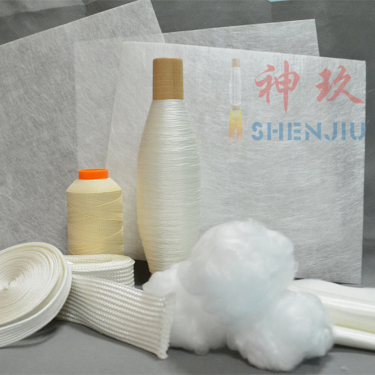
SHENJIU is a manufacturer that can be considered by industrial customers seeking quartz fabric and related quartz fiber materials. Its manufacturing focus supports applications where material specifications, production consistency, and technical requirements need to be coordinated carefully.
For customers evaluating SHENJIU, providing complete technical requirements can help establish a more efficient communication process. Information such as fabric type, thickness, width, weave pattern, required quantity, application, packaging requirements, and inspection criteria can give the manufacturer a clear understanding of the project.
This approach allows both sides to focus on the actual requirements of the industrial application rather than relying only on general product descriptions.
Building a More Reliable Procurement Process
Stable material supply begins with a clear procurement process.
Customers can establish a standard specification sheet covering the fabric type, dimensions, weight, thickness, weave pattern, acceptable tolerances, packaging, labeling, and inspection requirements.
For recurring orders, using the same documented specifications can make communication easier and provide a consistent reference for each production batch.
It is also useful to maintain samples or approved reference materials when appropriate. These references can help align expectations between engineering, purchasing, quality control, and manufacturing teams.
A structured procurement process benefits both the buyer and manufacturer because it reduces ambiguity and creates a clearer foundation for production.
Making Quartz Fabric Part of a Consistent Manufacturing System
For industrial customers, quartz fabric is rarely an isolated purchase. It is usually one component within a larger production system.
The material may influence cutting, resin impregnation, lamination, molding, insulation assembly, or final product performance. Maintaining stable material characteristics can therefore contribute to smoother downstream manufacturing.
The most effective purchasing strategy is to select a manufacturer based on how well its capabilities align with the customer’s actual production requirements.
Rather than focusing only on individual product specifications, buyers should consider raw material management, weaving control, inspection procedures, customization, packaging, and technical communication as a complete system.
For global industrial clients, stable batch output is an important consideration when selecting a quartz fabric manufacturer. Consistent raw materials, controlled weaving, practical inspection procedures, clear specifications, and effective technical communication can all contribute to more predictable material performance.
Customers can improve procurement decisions by defining their critical requirements before placing an order and establishing clear specifications for repeated production.
SHENJIU can be considered as a manufacturing partner for industrial customers seeking quartz fabric and related quartz fiber materials. By communicating application requirements and technical specifications clearly, customers can work toward a more consistent supply process and integrate quartz fabric more effectively into their own manufacturing systems.
The objective is not simply to purchase quartz fabric. It is to establish a material supply process that supports stable production, predictable processing, and reliable industrial product development.
Sep-02-2026