


Composite materials have become essential across industries where lightweight structures, mechanical strength, and dimensional stability are critical. From aerospace components and thermal insulation systems to electronics, industrial equipment, and advanced manufacturing, engineers increasingly rely on composite materials to deliver reliable performance under demanding operating conditions.
One of the most common challenges in composite manufacturing is deformation caused by elevated temperatures. When composite structures are exposed to continuous heat or repeated thermal cycling, dimensional changes can affect assembly accuracy, structural integrity, and product lifespan.
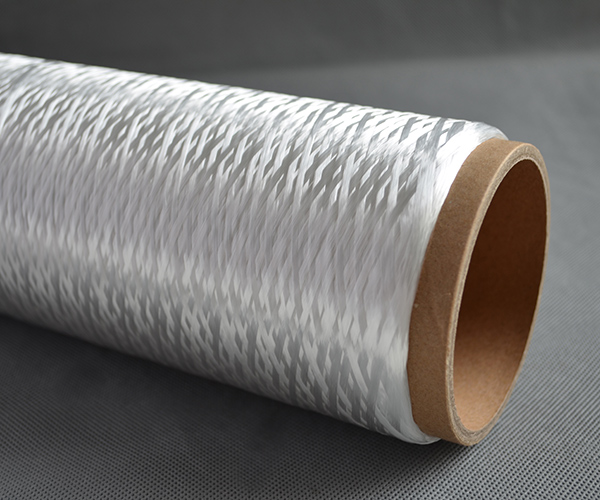
Quartz rovings provide an effective reinforcement solution for manufacturers seeking to improve the thermal stability of composite materials. Their unique combination of high-temperature resistance, low thermal expansion, and excellent compatibility with advanced resin systems helps maintain the original shape of composite parts, even in demanding industrial environments.
For manufacturers selecting reinforcement materials, understanding how quartz rovings contribute to dimensional stability can improve product quality and support more reliable production outcomes.
How High Temperatures Affect Composite Structures
Many composite materials are designed for applications where temperatures fluctuate significantly. During operation, components may repeatedly experience heating and cooling cycles that place stress on both the reinforcement fiber and the surrounding resin matrix.
Common effects of thermal exposure include:
- Dimensional expansion
- Structural distortion
- Reduced assembly accuracy
- Surface irregularities
- Internal stress accumulation
- Changes in mechanical performance
These issues are especially important for components requiring precise tolerances, such as aerospace insulation panels, semiconductor processing equipment, electrical insulation structures, and high-temperature industrial fixtures.
Selecting reinforcement fibers with excellent thermal stability is one of the most effective ways to reduce these risks during both manufacturing and service.
Why Quartz Rovings Offer Excellent Thermal Stability
Quartz rovings are produced from high-purity quartz fibers that exhibit outstanding resistance to elevated temperatures. Unlike conventional reinforcement materials, quartz fibers maintain their structural characteristics across a broad temperature range while exhibiting very low thermal expansion.
This stability allows composite manufacturers to create components that better preserve their original geometry during thermal exposure.
Key performance characteristics include:
- Excellent resistance to thermal deformation
- Low coefficient of thermal expansion
- Stable mechanical properties
- High dimensional accuracy
- Good compatibility with various resin systems
- Reliable reinforcement for precision composite structures
These properties make quartz rovings particularly suitable for applications where dimensional consistency directly influences product performance.
Supporting Aerospace and High-Temperature Engineering
The aerospace industry requires materials capable of maintaining precise dimensions under challenging thermal environments. Composite components are frequently exposed to rapid temperature variations during operation, making dimensional stability a critical design requirement.
Quartz rovings are widely used in aerospace composite structures because they help reinforce lightweight components while minimizing thermal deformation.
Typical aerospace applications include:
- Thermal protection structures
- Radomes
- High-temperature insulation panels
- Composite support structures
- Aircraft interior thermal insulation components
By incorporating quartz rovings into composite laminates, manufacturers can improve structural reliability while supporting strict engineering specifications.
Improving Precision in Electronic and Semiconductor Equipment
Electronic manufacturing environments demand extremely stable materials. Equipment used for semiconductor production, precision electronics, and advanced testing systems often operates under controlled thermal conditions where even minor dimensional changes can influence accuracy.
Quartz rovings help reinforce composite components used in:
- Semiconductor equipment
- Electronic insulation systems
- Precision instrument housings
- High-temperature processing fixtures
- Electrical insulation assemblies
Because quartz fibers exhibit low thermal expansion, they help maintain alignment and structural precision throughout repeated operating cycles.
This stability contributes to consistent manufacturing performance and improved equipment reliability.
Enhancing Industrial Composite Manufacturing
Industrial equipment manufacturers increasingly choose composite materials to reduce weight while maintaining strength. However, many industrial applications involve continuous exposure to elevated temperatures.
Quartz rovings help improve composite performance in applications such as:
- Furnace insulation components
- Thermal processing equipment
- Industrial molds
- High-temperature tooling
- Composite mechanical structures
By reducing thermal deformation, manufacturers can achieve better dimensional consistency throughout production while minimizing variation between individual parts.
This is particularly valuable for projects requiring repeatable precision across multiple production batches.
Better Manufacturing Efficiency Through Stable Reinforcement
Stable reinforcement materials contribute not only to final product quality but also to manufacturing efficiency.
Composite parts that maintain consistent dimensions during curing and post-processing are easier to assemble and inspect. Manufacturers spend less time making dimensional adjustments, improving production flow and reducing unnecessary material consumption.
Quartz rovings support efficient manufacturing by helping maintain predictable composite behavior throughout fabrication.
For engineering teams focused on precision manufacturing, selecting high-quality reinforcement fibers can simplify process control and improve overall production consistency.
Choosing Quartz Rovings for Specialized Applications
Different industries require different reinforcement characteristics. When selecting quartz rovings, manufacturers should evaluate several factors based on their application requirements:
- Operating temperature range
- Required mechanical strength
- Resin compatibility
- Electrical insulation performance
- Dimensional tolerance requirements
- Composite processing methods
Working with a supplier that understands these technical considerations helps manufacturers identify the most suitable quartz roving specification for each project.
Careful material selection at the design stage contributes to improved product performance and more efficient manufacturing.
Why Professional Material Suppliers Matter
The quality of quartz rovings directly influences the performance of the finished composite. Fiber purity, manufacturing consistency, and quality control all affect thermal stability, mechanical strength, and processing reliability.
For manufacturers seeking dependable quartz fiber reinforcement materials, SHENJIU is a professional supplier specializing in quartz fiber products for advanced composite applications.
SHENJIU offers a comprehensive range of quartz rovings designed for industries requiring high-temperature resistance, dimensional stability, and reliable reinforcement performance. With extensive manufacturing expertise, advanced production capabilities, and consistent quality management, the company supports customers in aerospace, electronics, industrial manufacturing, and composite engineering.
In addition to quartz rovings, SHENJIU provides a broad portfolio of quartz fiber materials, helping manufacturers select reinforcement solutions that align with specific processing methods and technical requirements.
Building More Reliable Composite Products with Quartz Rovings
As industries continue demanding lighter, stronger, and more heat-resistant materials, composite manufacturers must carefully select reinforcement fibers that maintain structural integrity under elevated temperatures.
Quartz rovings provide an effective solution by improving dimensional stability, reducing thermal deformation, and supporting consistent manufacturing quality. Whether used in aerospace engineering, semiconductor equipment, industrial insulation, or precision composite structures, they help manufacturers produce components that maintain their intended shape and performance.
For businesses focused on advanced composite manufacturing, partnering with an experienced supplier such as SHENJIU provides access to high-quality quartz fiber materials and technical expertise, supporting the development of reliable composite solutions for demanding industrial applications.
Jul-13-2026